Costa’s Hummingbird – The Desert Jewel of the Southwest
Introduction
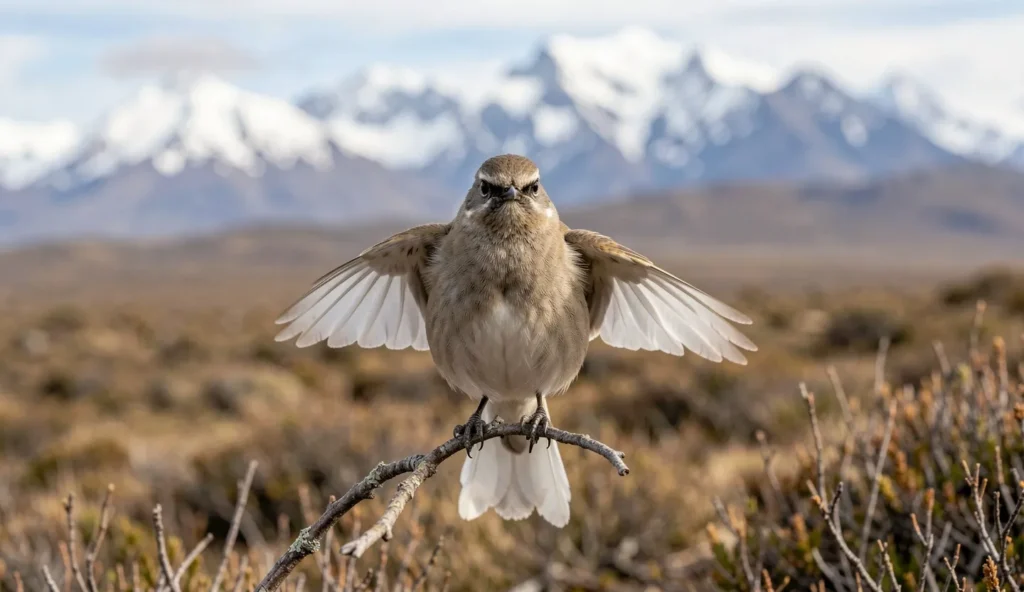
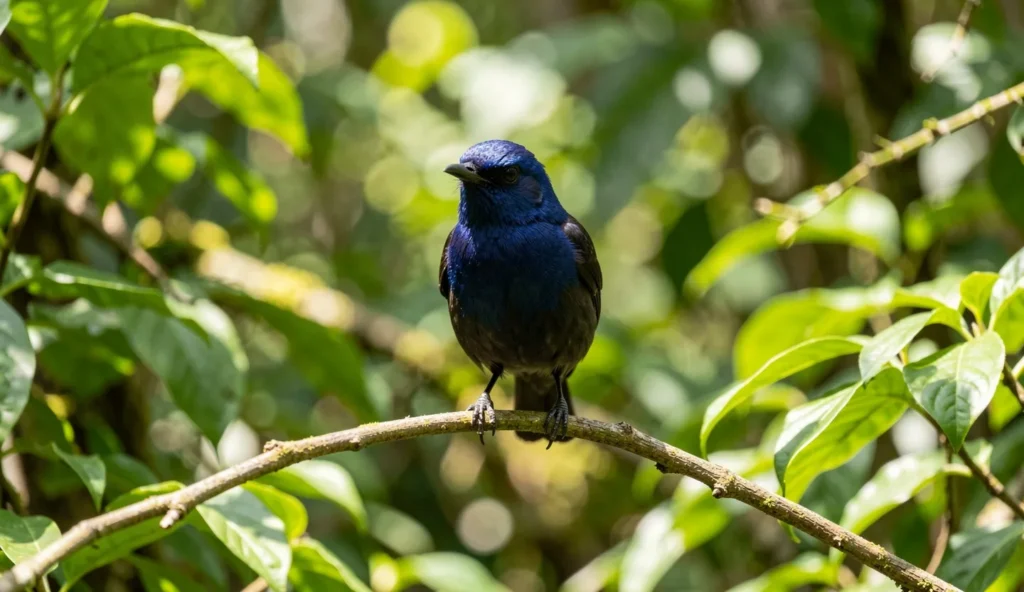
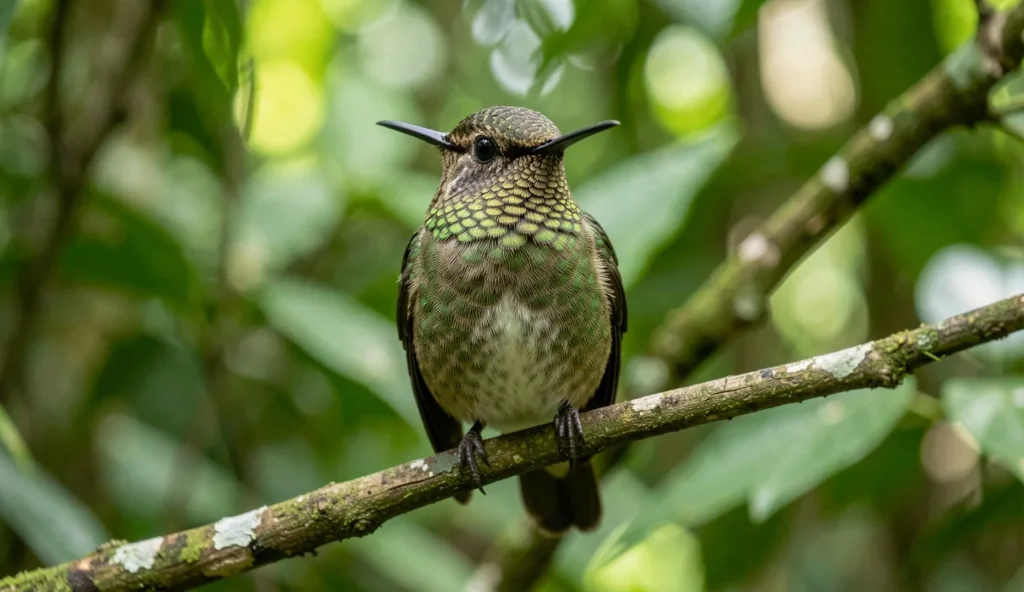
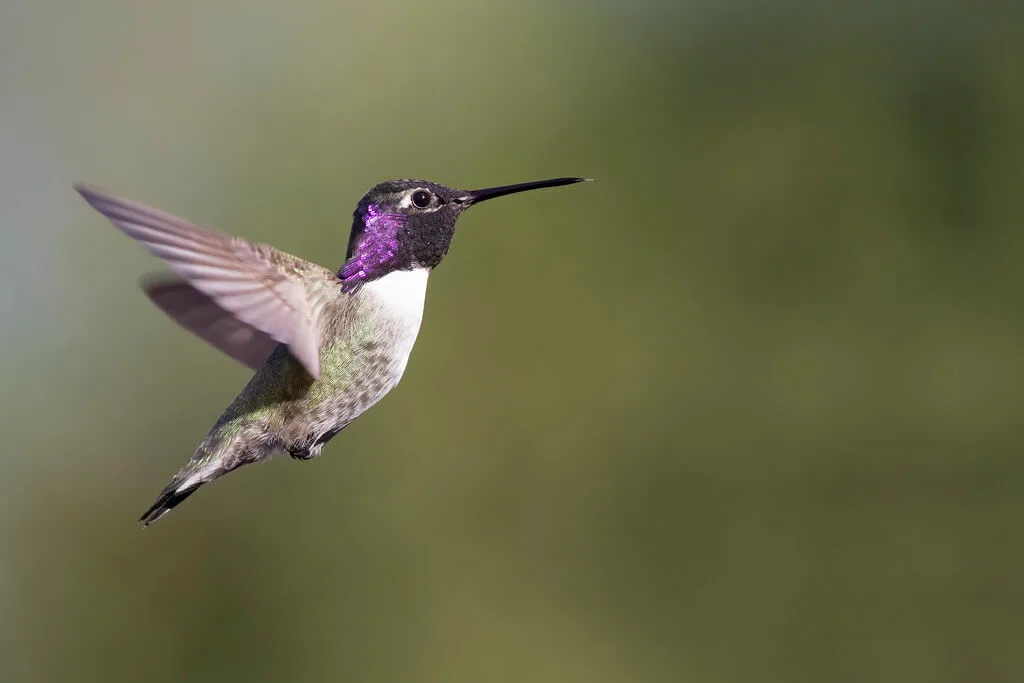
With a heart that can beat over 1,200 times per minute and wings that beat up to 80 times per second, the Costa’s Hummingbird is a tiny, dazzling bird that brings vibrant color and energy to the arid regions of the southwestern United States and northwestern Mexico. Known for its striking purple crown and throat, this hummingbird is a desert specialist, thriving in some of the most challenging environments. With its unique beauty and resilience, the Costa’s Hummingbird is a true symbol of adaptability and natural wonder.
Natural Habitat and Distribution
Costa’s Hummingbirds are well-suited to desert climates and are often found in:
- Arid and semi-arid deserts
- Scrublands and coastal sagebrush areas
- Desert gardens and parks with native flowering plants
Their range includes southern California, Arizona, Nevada, Baja California, and parts of northwestern Mexico. They are year-round residents in warmer areas and may migrate short distances seasonally. Unlike the Rufous Hummingbird, which is known for its long migratory journeys, Costa’s Hummingbirds tend to stay closer to their desert homes.
Physical Characteristics
These hummingbirds are small but impossible to overlook, thanks to their brilliant colors:
- Size: 3 to 3.5 inches long
- Weight: 2 to 3 grams
- Male: Iridescent purple crown and throat with a green back
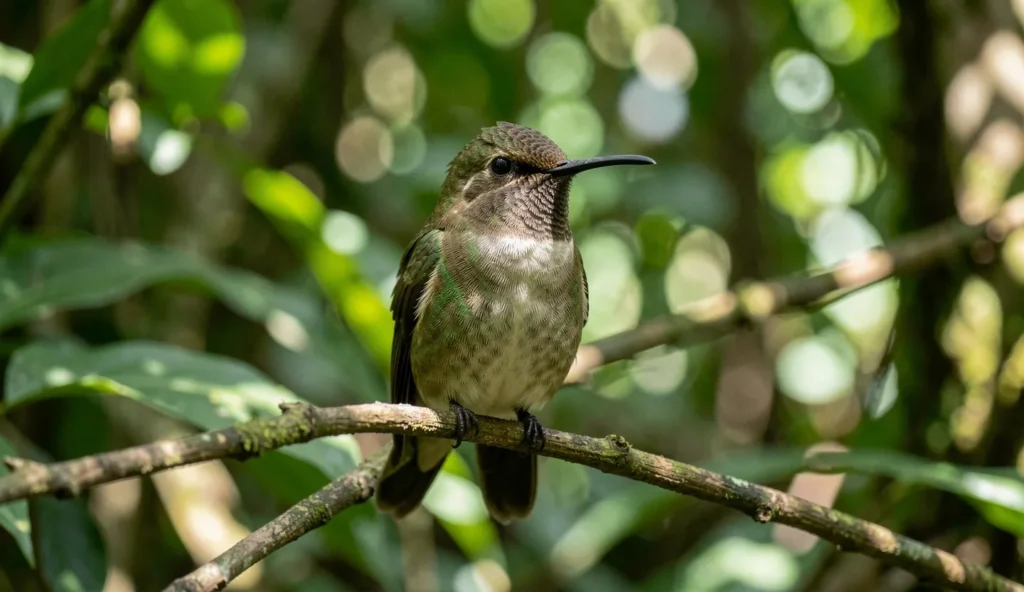
- Female: Green above and pale below, with a faint white eyebrow
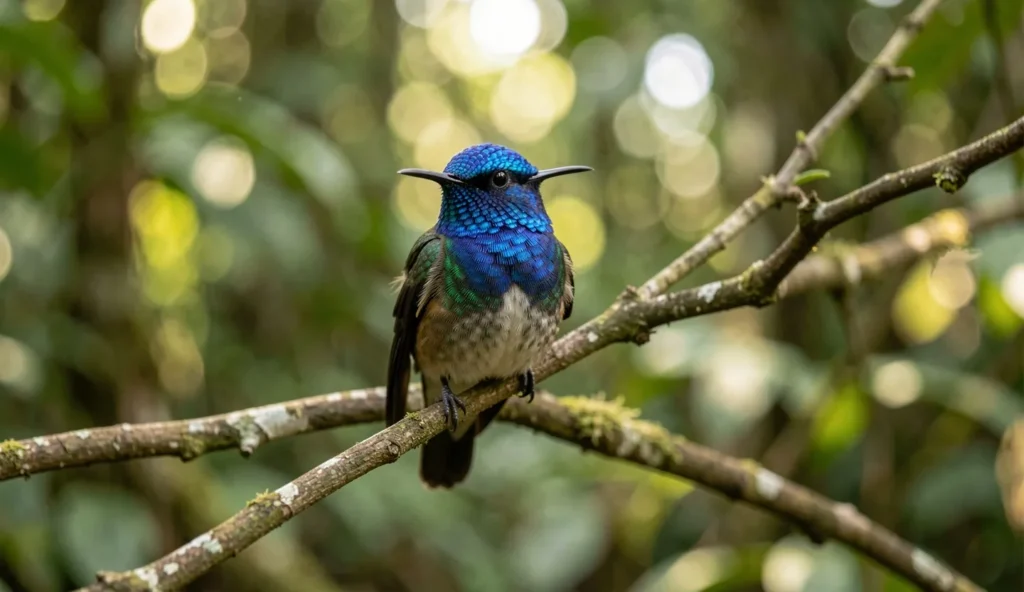
Males are especially striking during display flights when sunlight catches their purple feathers. Their coloration rivals that of the Magnificent Hummingbird, though Costa’s are much smaller in size.
Feeding Habits and Diet
Costa’s Hummingbirds are nectar specialists and also consume small insects for protein:
- Nectar from desert flowers like chuparosa, ocotillo, and agave
- Tiny insects and spiders caught in mid-air or gathered from foliage
- Sugar-water from feeders in residential areas (free from artificial dyes)
Their long, slender bills and specialized tongues make them efficient pollinators, helping desert plants reproduce. Like the Black-chinned Hummingbird, Costa’s Hummingbirds rely heavily on native flowering plants for their survival.
Behavior and Personality
Costa’s Hummingbirds are active, curious, and a bit territorial:
- Males perform high-speed U-shaped display dives during mating season
- They defend feeding territories aggressively, even against larger birds
- Emit high-pitched chirps and buzzing sounds with their wings
Despite their boldness, these birds are also gentle and captivating to observe. A practical tip for birders: place multiple feeders out of sight from each other to reduce territorial conflicts between males.
Nesting and Reproduction
Female Costa’s Hummingbirds are responsible for nest-building and caring for their young:
- Nests are cup-shaped, made from plant down, spider silk, and lined with soft materials
- Typically lays two small eggs, incubated for about 15–18 days
- Nestlings fledge in about three weeks
They often choose protected spots like cactus arms or shrubs to conceal their nests. The nesting behavior is similar to that of the Anna’s Hummingbird, another species that adapts well to human-altered landscapes.
Seasonal Behavior and Migration
These hummingbirds are mostly non-migratory, but some show seasonal movements:
- Move to higher elevations in summer for cooler temperatures
- May return to lower elevations in winter
- Appear in gardens and parks during blooming seasons
Their presence is often linked to the availability of nectar-rich flowers. Unlike the Broad-tailed Hummingbird, which is a high-altitude specialist, Costa’s Hummingbirds prefer lower desert elevations.
Conservation and Challenges
Costa’s Hummingbirds are currently considered a species of least concern, but they face threats:
- Habitat loss due to development and urban expansion
- Invasive plants are displacing native nectar sources
- Predation by domestic cats and window collisions
Supporting conservation involves planting native flora, avoiding pesticides, and keeping feeders clean and safe. A simple way to help is to create a hummingbird-friendly corridor in your yard using desert-adapted plants like penstemon and salvia.
Relationship with People
Costa’s Hummingbirds bring joy to backyard birders and nature lovers:
- Attracted to desert-friendly gardens with native plants
- A favorite subject for bird photographers and researchers
- An educational icon for understanding pollinators and desert ecosystems
Creating hummingbird-friendly environments benefits both wildlife and people alike. For those interested in similar species, the Violet-crowned Hummingbird offers another stunning example of southwestern hummingbird diversity.
Fun Facts About Costa’s Hummingbirds
- Named after French nobleman Louis Marie Pantaleon Costa
- Males can flare their purple throat feathers like a beard when threatened
- Can survive harsh desert temperatures thanks to energy-saving behaviors
- Have one of the most brilliant iridescent colorations among hummingbirds
Frequently Asked Questions
Q1: Are Costa’s Hummingbirds rare?
A: No, they are fairly common in their native desert habitats, especially during blooming seasons.
Q2: How do I attract Costa’s Hummingbirds?
A: Plant desert flowers like penstemon, agave, and chuparosa, and provide sugar-water feeders in shaded areas.
Q3: Are Costa’s Hummingbirds aggressive?
A: Males can be territorial around feeders and flowers, but they’re not aggressive toward people.
Q4: Do they migrate long distances?
A: Unlike some other hummingbird species, Costa’s Hummingbirds typically migrate short distances or remain in place year-round.
Q5: How long do Costa’s Hummingbirds live?
A: In the wild, they typically live 3–5 years, though some individuals may live longer in safe environments.
Conclusion
The Costa’s Hummingbird may be small in size, but it’s a powerful symbol of resilience, beauty, and the magic of desert ecosystems. With its brilliant purple crown and fearless spirit, this little bird continues to inspire and connect us to the natural world. By creating safe spaces with native plants and clean feeders, we can help ensure these sparkling desert jewels continue to thrive for generations to come.